
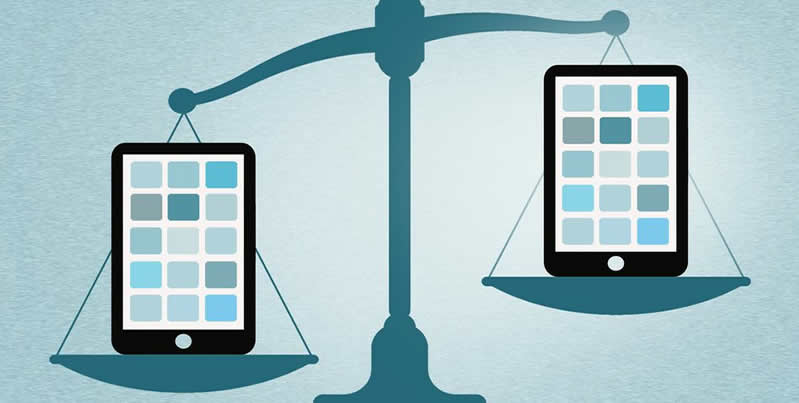
Lightweight apps are establishing a niche in a feature-rich, resource-intensive software market environment that is awash in other technologies. Since users need faster, simpler, and more data-friendly solutions, lightweight apps offer a rejuvenating change that is functional and easy to use at the same time. The popularity of these applications proves that minimalism and efficiency are gaining more and more popularity in the modern busy, mobile world.
The Need for Efficiency on Low-End Devices
Even with the development of smartphones technology, there are large numbers of users in the world who use smartphones with low processing capabilities, RAM and storage. Lightweight applications are tailor-made applications that are optimized to run well on this type of hardware with only a few resources but with the core functionality. As an example, such applications as Google Go or Facebook Lite provide almost the same experience as their full-fledged equivalents but consume much less storage and less data. This renders them suitable to those users in areas with slower internet speeds or weaker gadgets.
Faster Load Times and Data Savings
Lightweight applications are preoccupied with fast loading and effective data consumption, which is very important to users who have data plans or limited bandwidth. They do so through cutting down on unnecessary animations, compressing pictures, and on-demand loading of content. This saves not only time, but also reduces mobile data usage, which is one of the primary concerns in the emerging markets and among people who care about their spending. Such applications as Skype Lite demonstrate the way to reduce the size and optimize bandwidth to enable the use of quality communication even with 2G and 3G connections.
Clean, User-Friendly Interfaces
The significant advantage of lightweight apps is simplicity. These apps provide simpler interfaces because of key features and absence of clutters. Understandible text, easy-to-use buttons and few distractions allow users to achieve their main tasks in the shortest time. Lightweight apps will be especially appealing to on-the-go users or to users who find the simplicity of straightforward tools and lack of too many options to be highly appealing.
Enhanced Battery Life and Reliability
Heavy applications that use a lot of background activate higher consume more batteries and have more crashes with older devices. Lightweight applications are more efficient in optimizing the background operations and lessen the resource usage and consequently enhance the battery life and stability of the system. Users have fewer crashes and use multitasking and this also goes a long way in the user satisfaction. This is the same reliability that makes lightweight apps reliable partners on the daily activities, such as ordering rides, managing social networks, or creating graphics.
The Future: Balancing Minimalism and Features
The difficulty in the future is to balance the small size of the app footprint with the need of new features and performance improvements. To provide rich experiences that remain light, developers are working on modular architectures, adaptive streaming, and AI-based optimizations. Also featured are Progressive Web Apps (PWAs) and no-code development platforms, which can release efficient apps that suit the situation of the user, quickly.
Conclusion
Lightweight applications are not just smaller versions as it has shown. They offer true value because they put the speed, efficiency, usability and accessibility in the forefront; features that appeal to the broad market across the world. With the tech world becoming more and more cluttered, lightweight apps come in with one thing: straightforward, quick and useful solutions, that can easily be integrated to busy schedules of users.
